The project
Melodies of Life: Behind every melody
is a life
Lebensmelodien brings back to the stage Jewish music composed, sung or preserved during the years of National Socialism.
Behind every melody is the story of a person or a community: stories of persecution and loss, but also of hope, resilience and humanity.
Through historical research, live performance and education, Lebensmelodien reconnects this music with the people behind it and brings their voices into the present.

Music. Memory. Responsibility.
-
Concerts
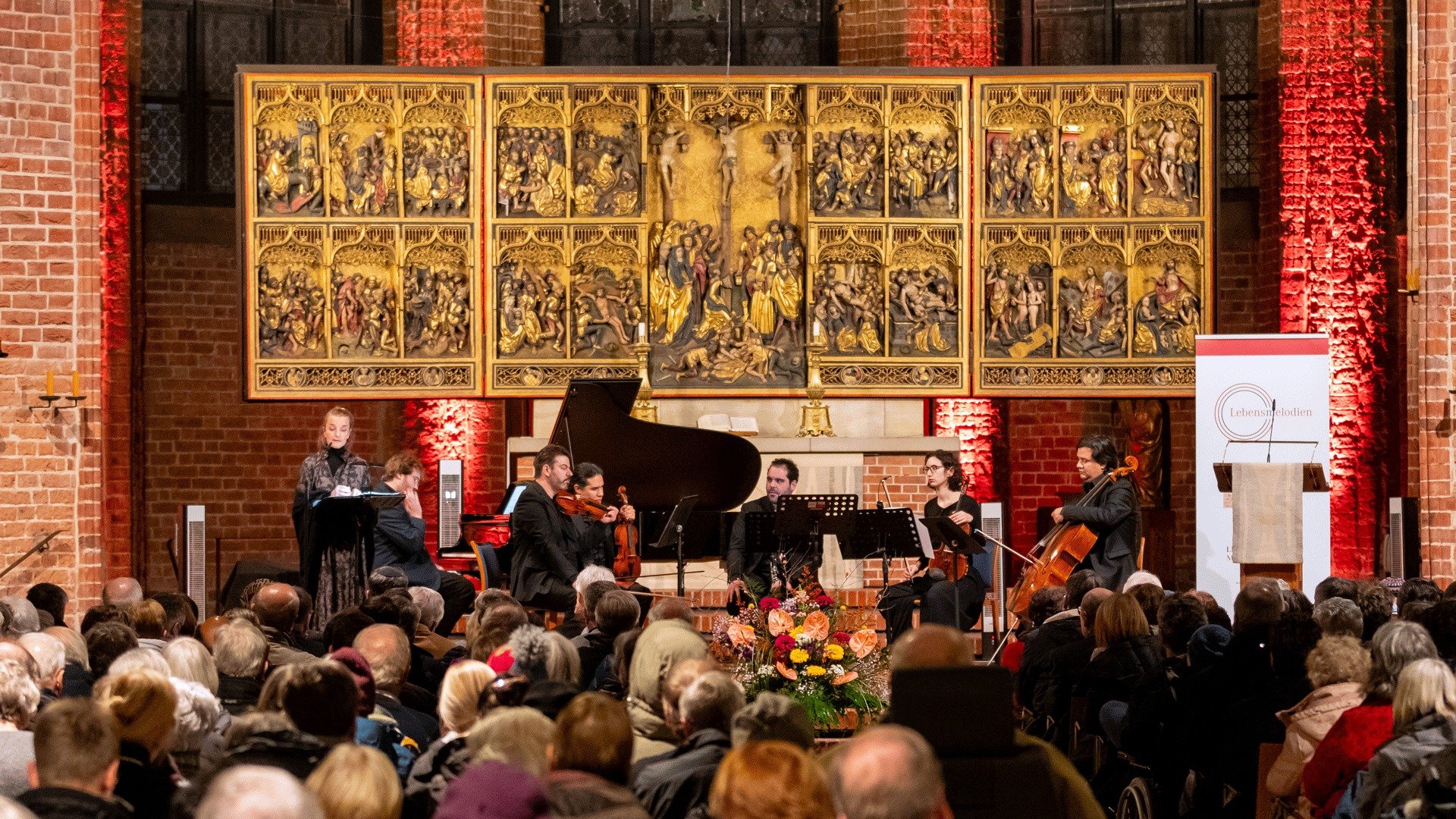
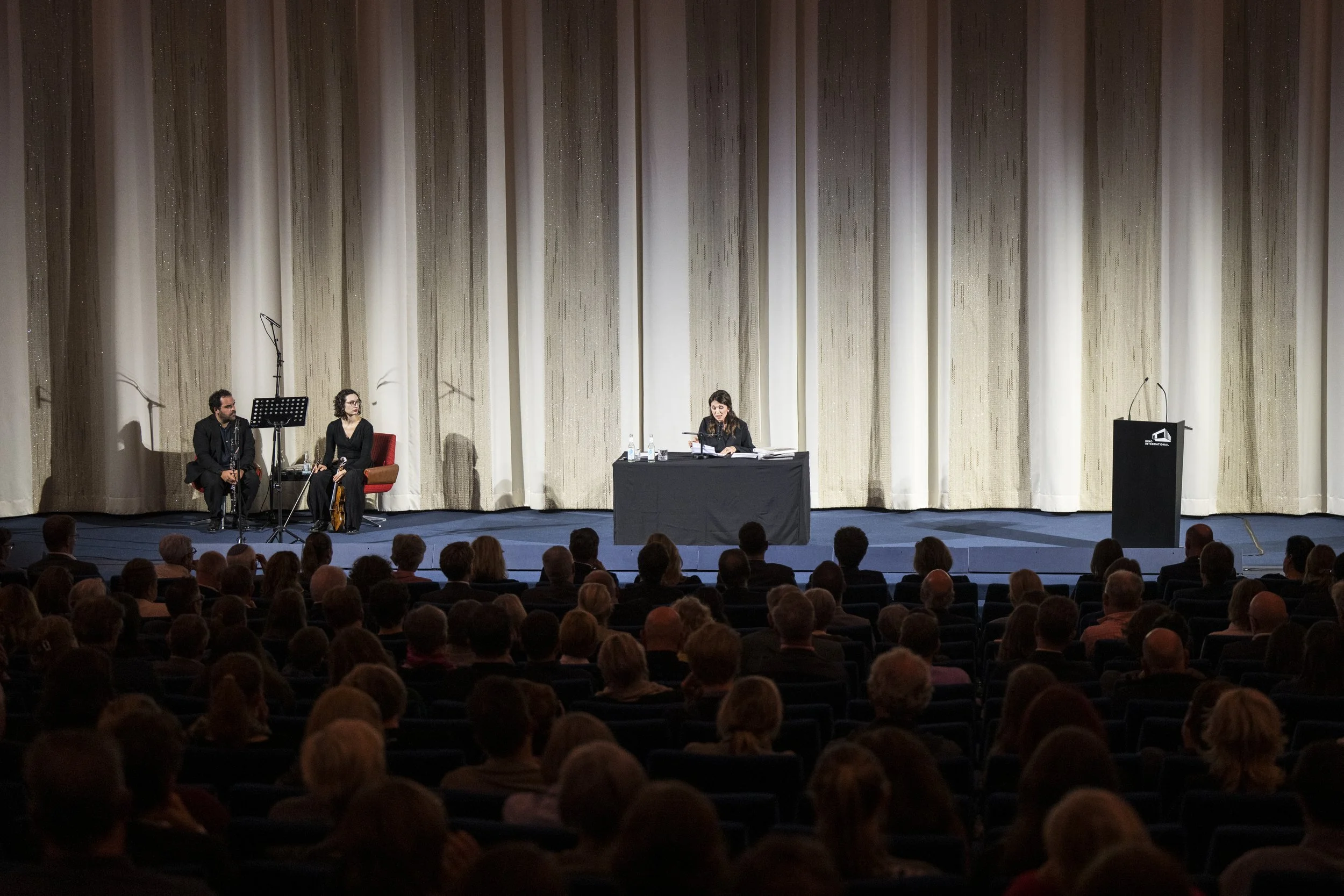
Forgotten works and personal testimonies return to the stage together.
-
Education
Young people encounter history through music, biographies and their own artistic work.
-
Research
Scores, documents and family memories form the basis of each new programme.
-
International
Lebensmelodien verbindet Menschen, Generationen und Kulturen in Deutschland und weltweit.
Lebensmelodien: The Story of Reviving Lost Jewish Melodies and a Legacy of 'Rache' - Revenge.
Salomea’s story
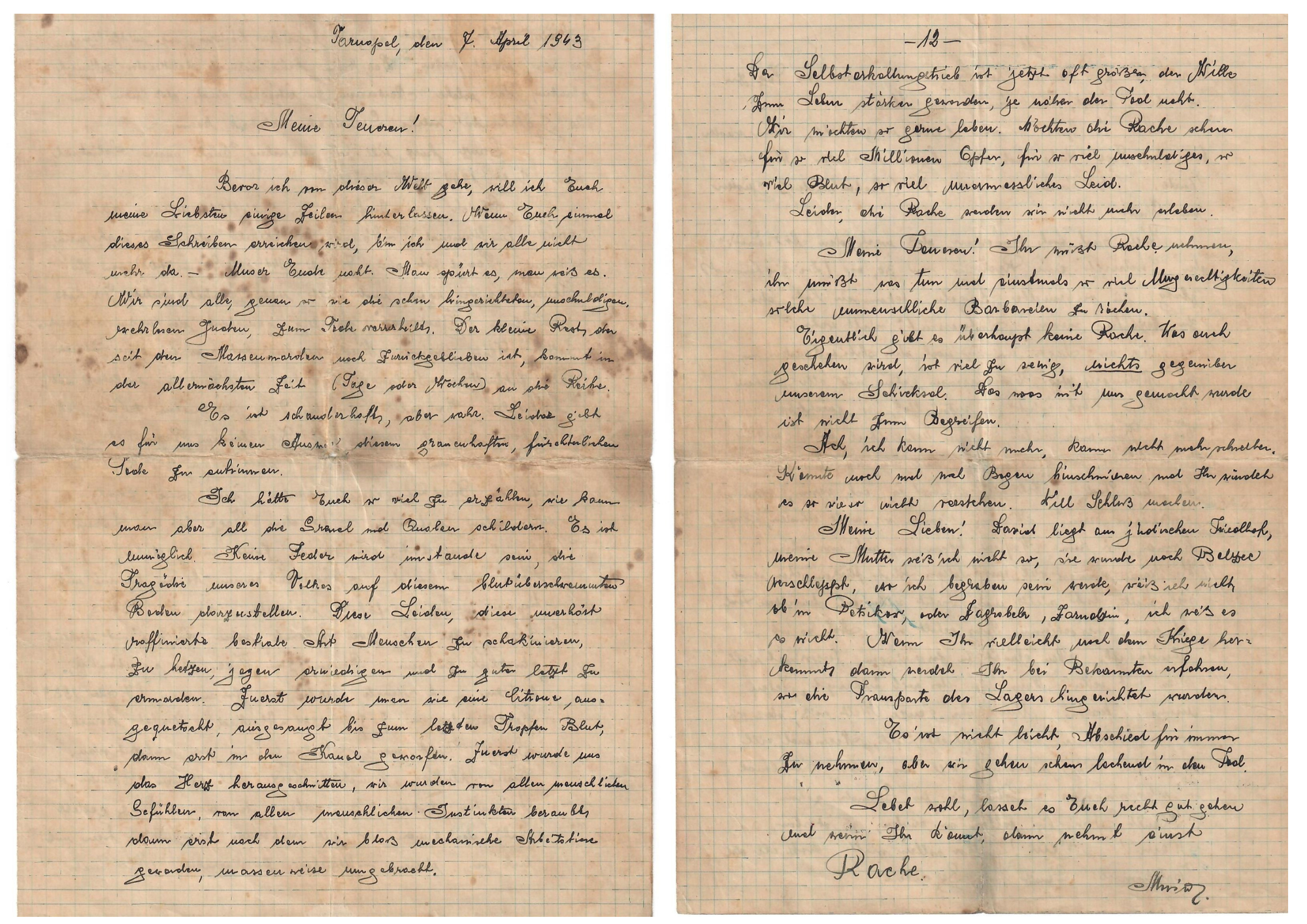
Lebensmelodien began with a farewell letter.
In April 1943, the Jewish pianist Salomea Ochs Luft wrote to her family from the Tarnopol Ghetto shortly before she was murdered. The letter ended with a call for revenge.
Many years later, her great-nephew Nur Ben Shalom chose a different answer. Together with Michael Raddatz, he founded Lebensmelodien in 2019 to make silenced voices heard again through their music.
Nur Ben Shalom, the project's founder and Salomea's great-nephew, was deeply moved by her letter. It inspired him to explore the broader narrative of Jewish musicians whose talents and lives were tragically extinguished. Nur's journey led him to the concept of "Rache" in a transformative sense, focusing on reviving the silenced voices and music as a form of remembrance and homage, rather than seeking vengeance in its traditional sense.
Lebensmelodien has since discovered numerous compositions, each a unique testament to a past marred by horror yet resilient in spirit. The project presents these melodies in concerts and educational settings, bridging past and present, and honoring the memories of those who suffered.
Through these musical pieces, Lebensmelodien confronts the theme of "Rache" by transforming it into an act of cultural and historical preservation. The project celebrates the resilience and creativity of those who faced unimaginable adversity and ensures that their stories and artistic expressions are remembered and passed on to future generations.
International
Across borders and generations.
Lebensmelodien is heard wherever music, remembrance and social responsibility meet.
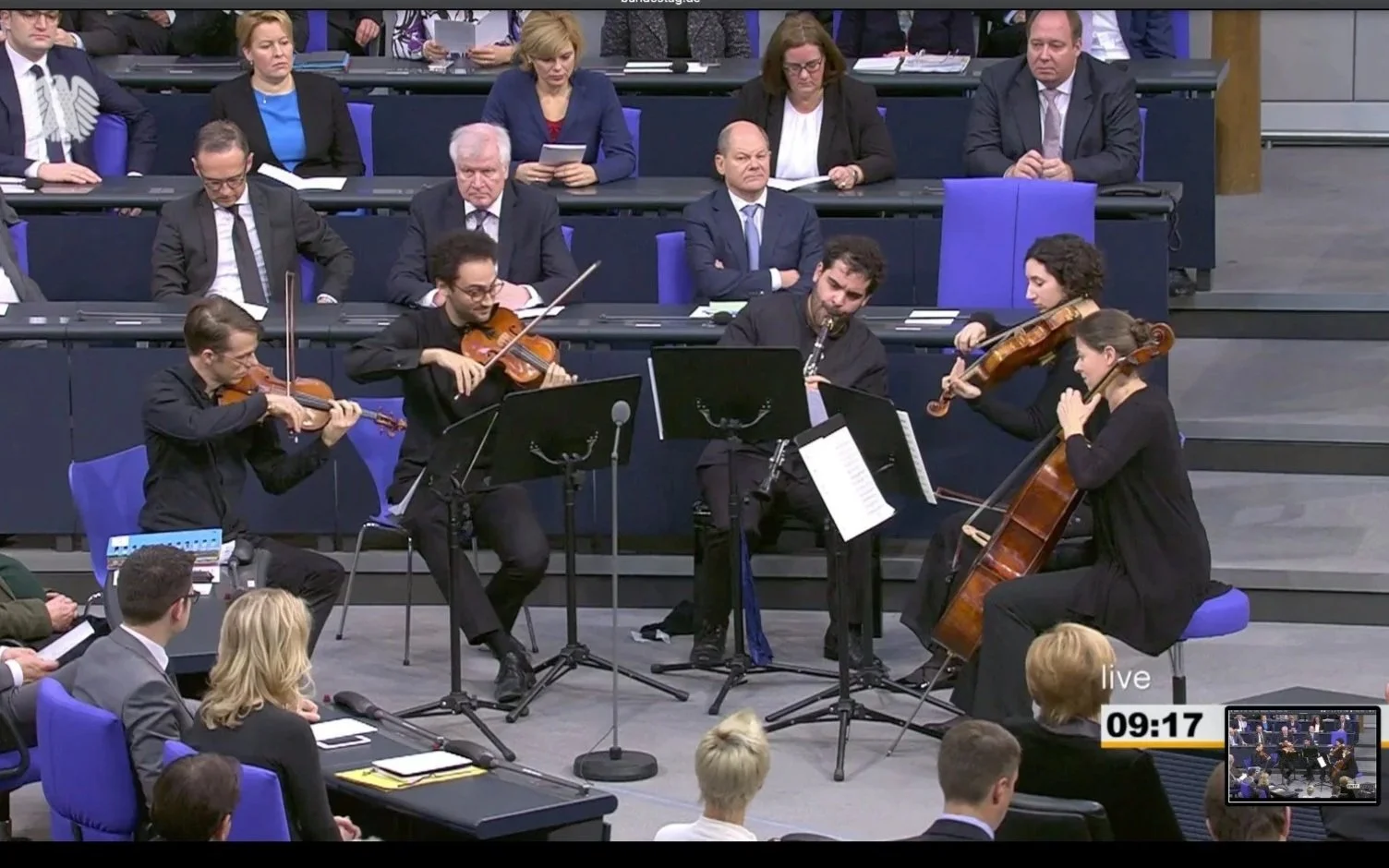
The Legacy of Lebensmelodien Today
Lebensmelodien preserves and performs Jewish music that was composed, sung or played between 1933 and 1945. Each melody is connected to a person, a family or a community and carries a story of Jewish life.
Many of these melodies emerged under the most inhuman circumstances of persecution and murder. In ghettos and camps, music helped people preserve hope, dignity and a sense of identity. For some, it offered strength to survive. For others, it became a way of saying farewell.
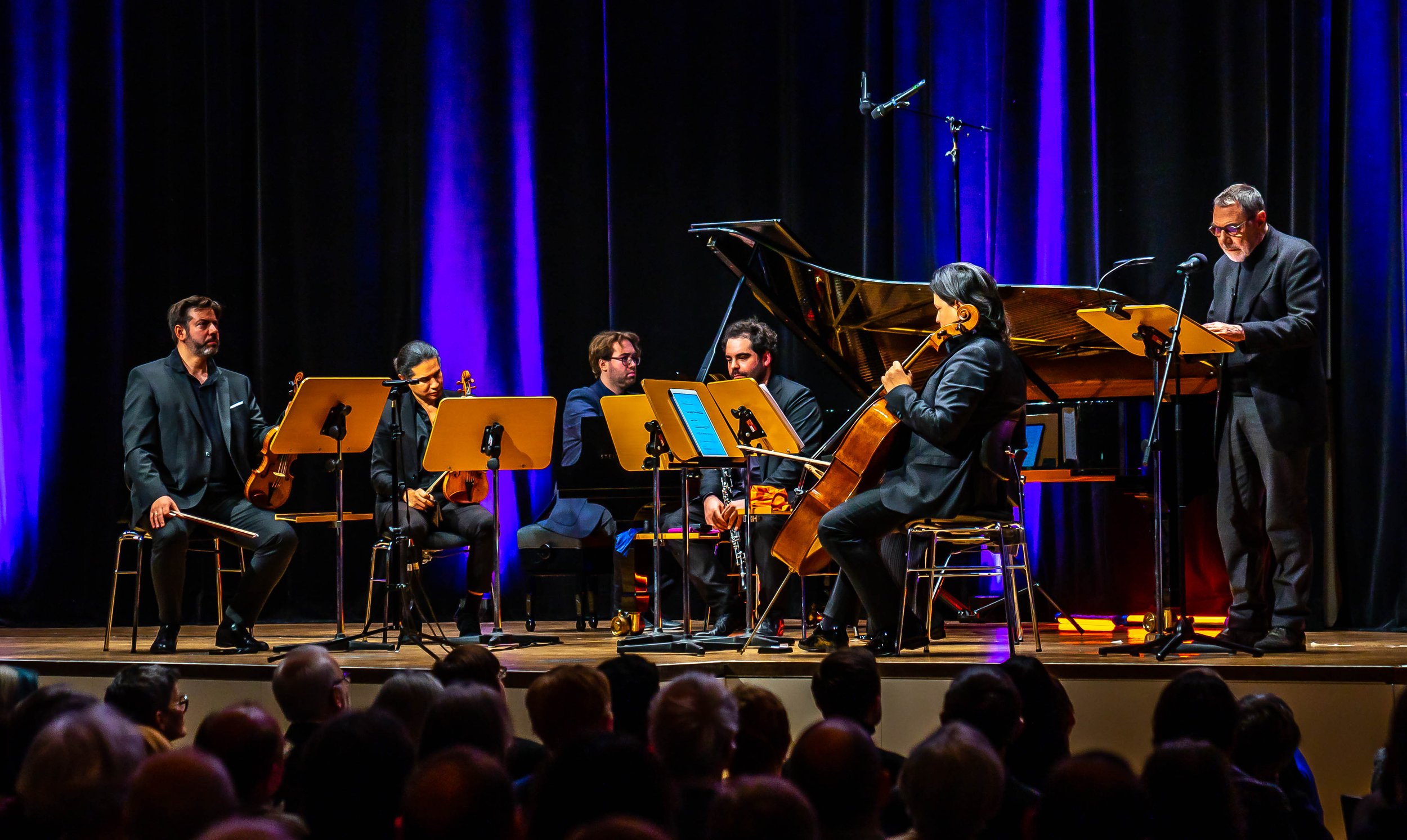
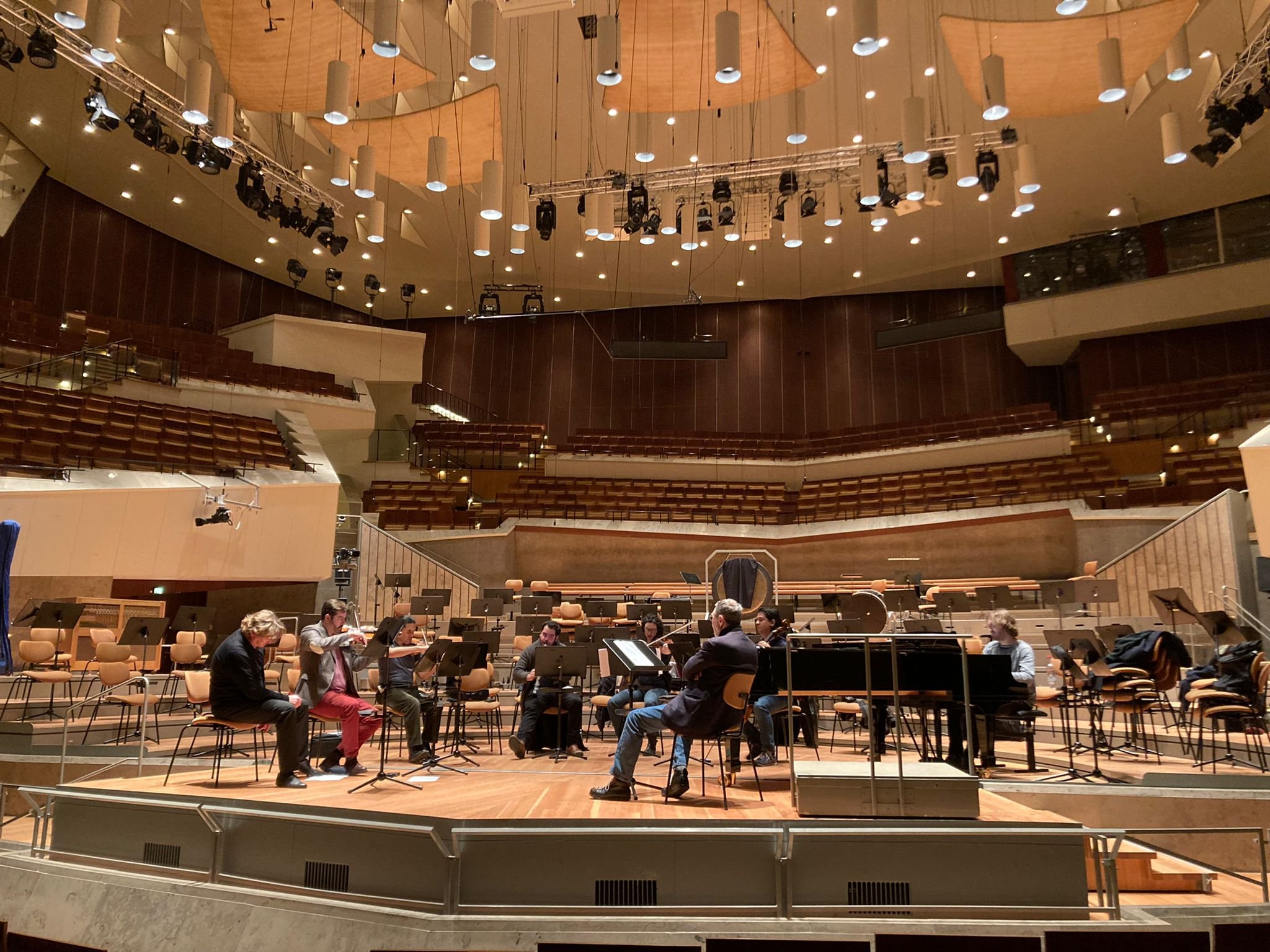
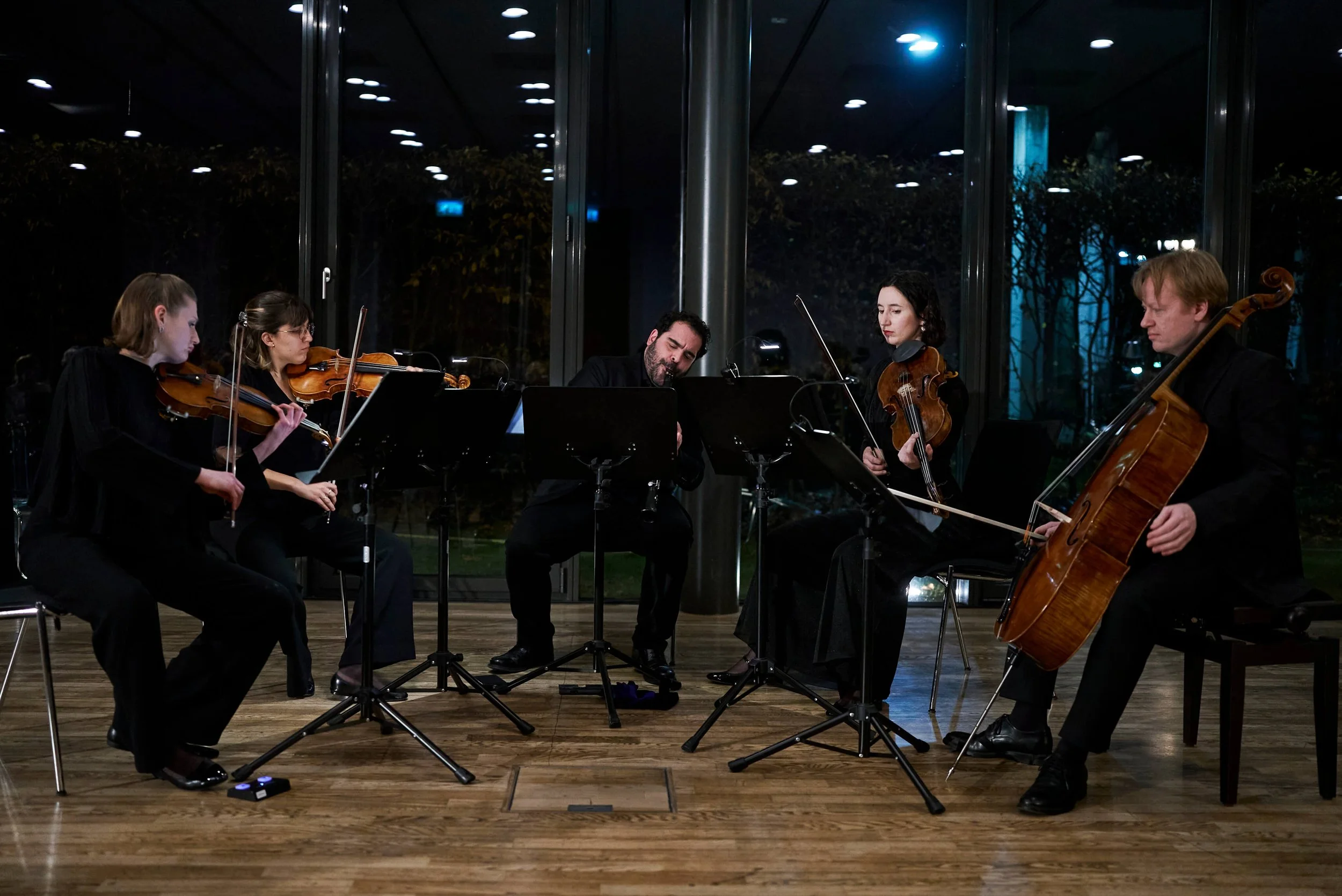
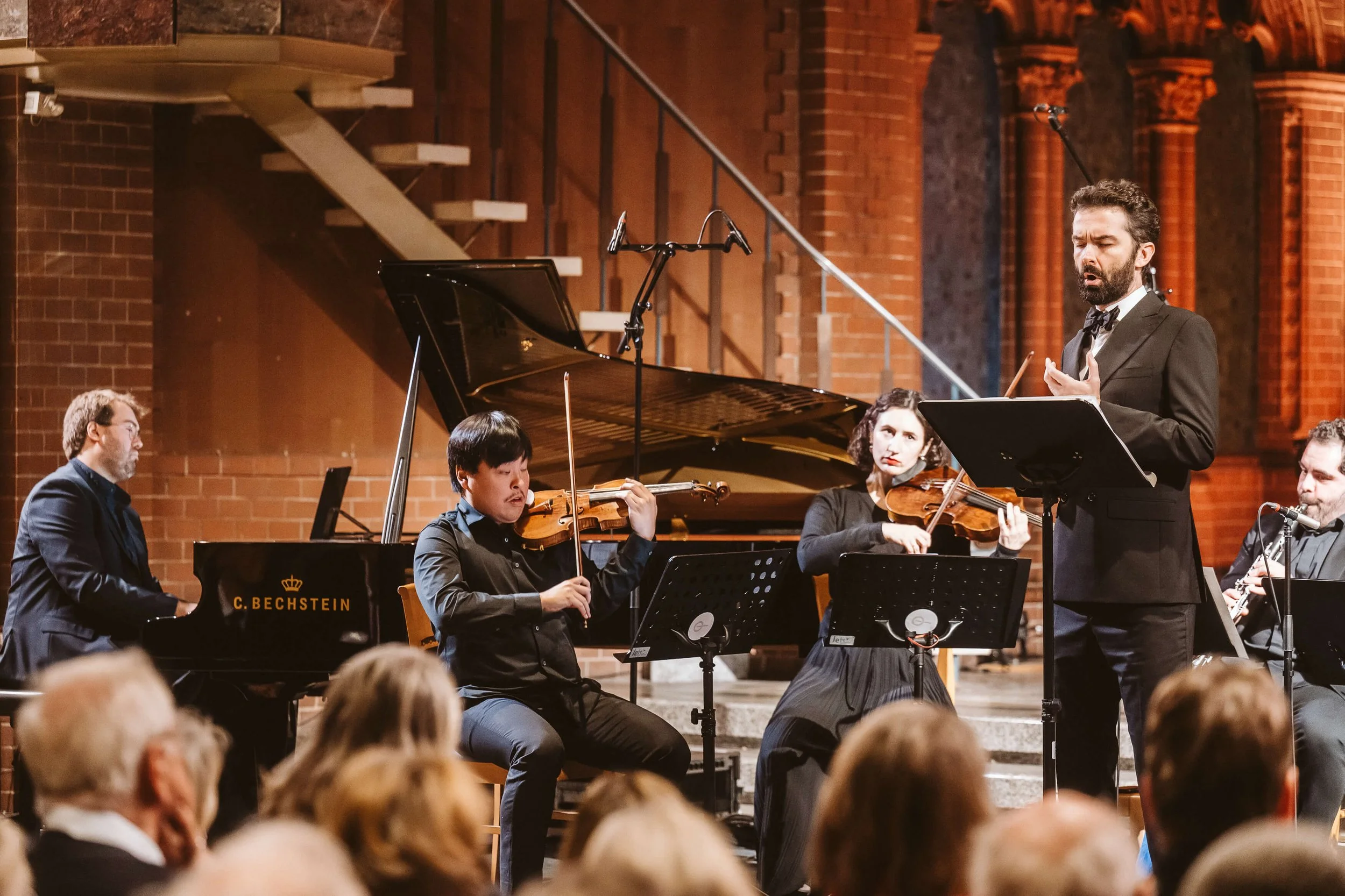
Some compositions survived because individuals safeguarded manuscripts and passed them on to future generations. Many other works were lost, scattered or forgotten for decades. Lebensmelodien researches these compositions in close cooperation with families, descendants, archives and musicologists. Historical documents and surviving scores form the basis for new concert programs. Some works receive their first public performance in decades, while others are newly arranged for the Lebensmelodien Ensemble.
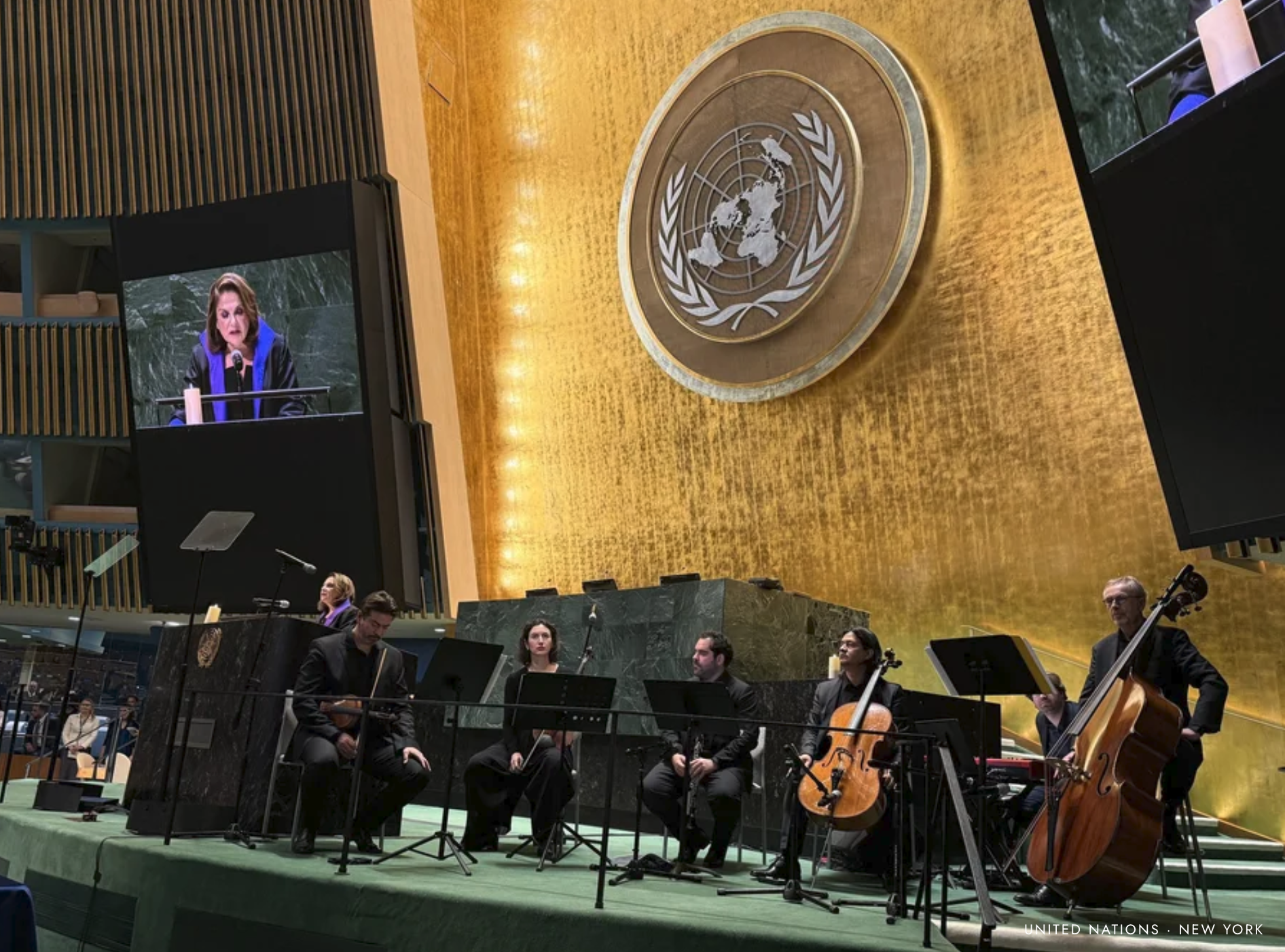
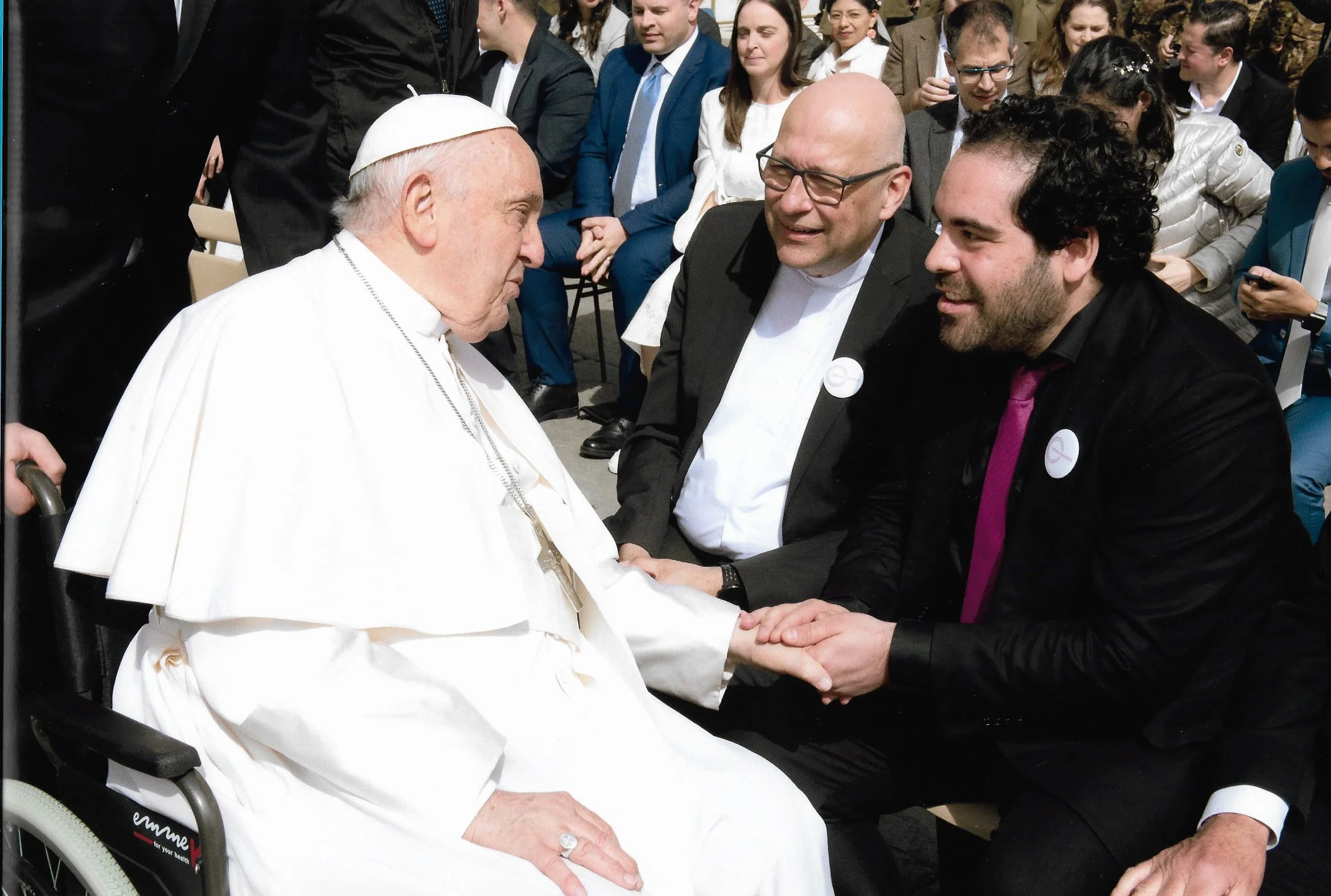
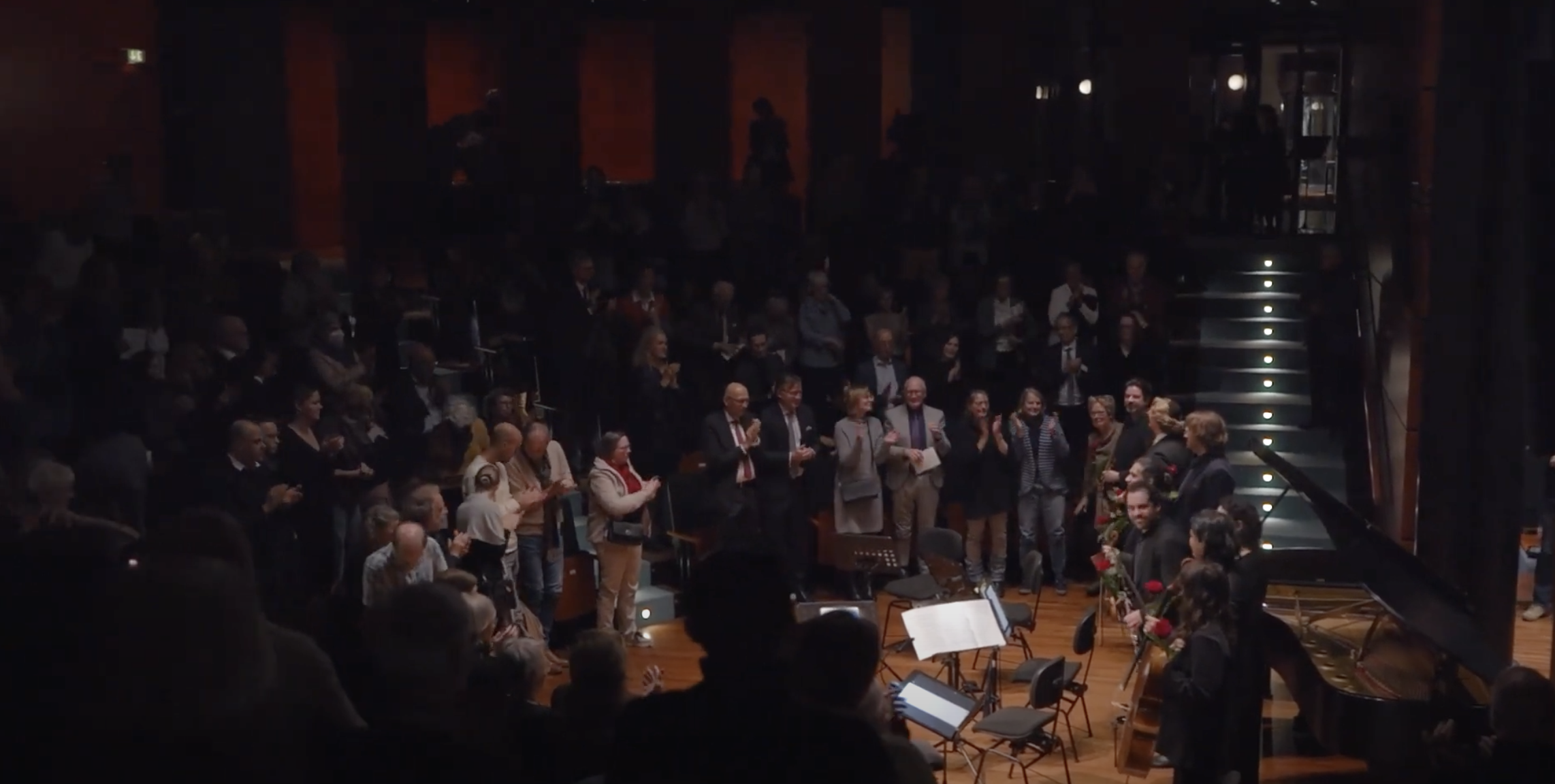
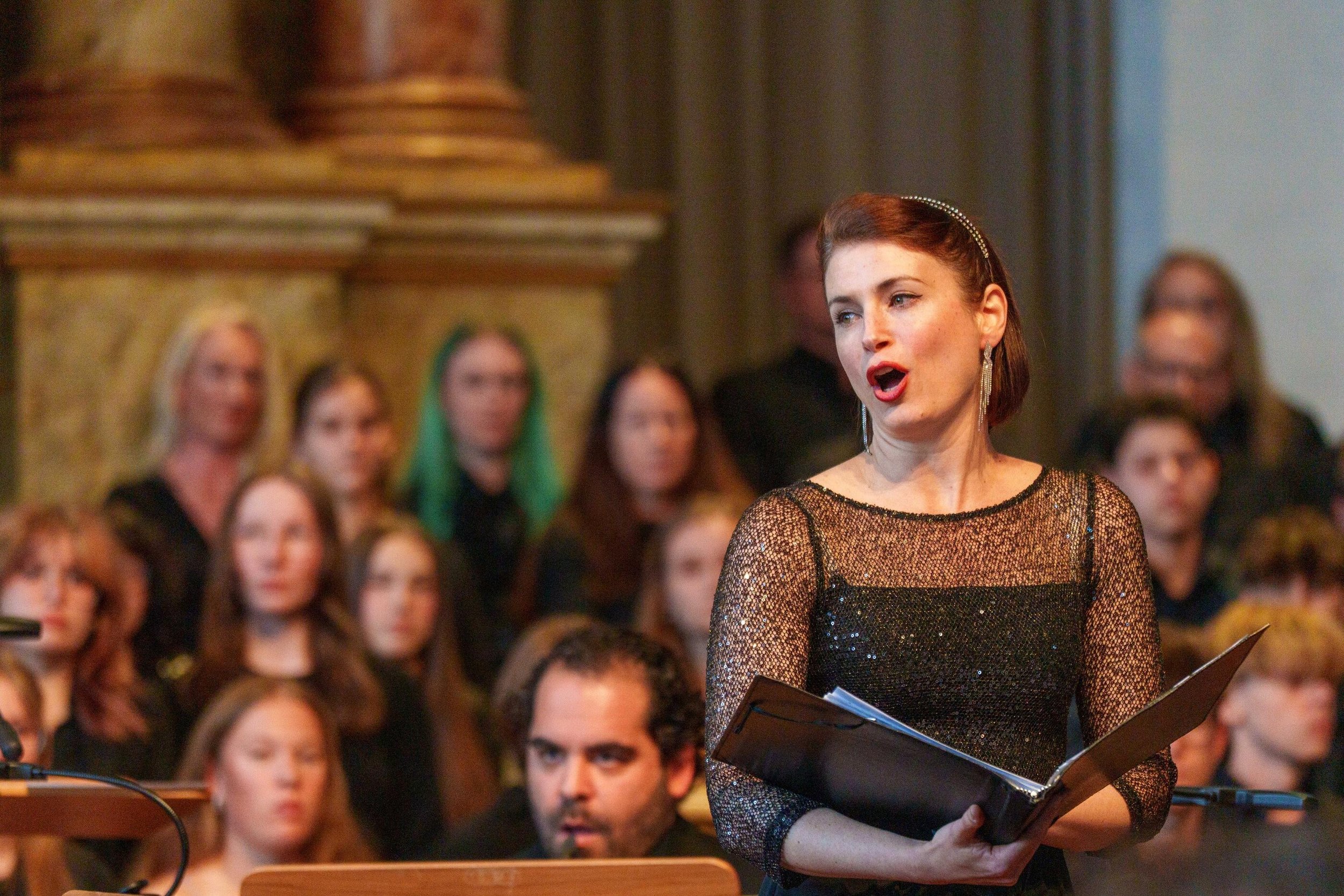
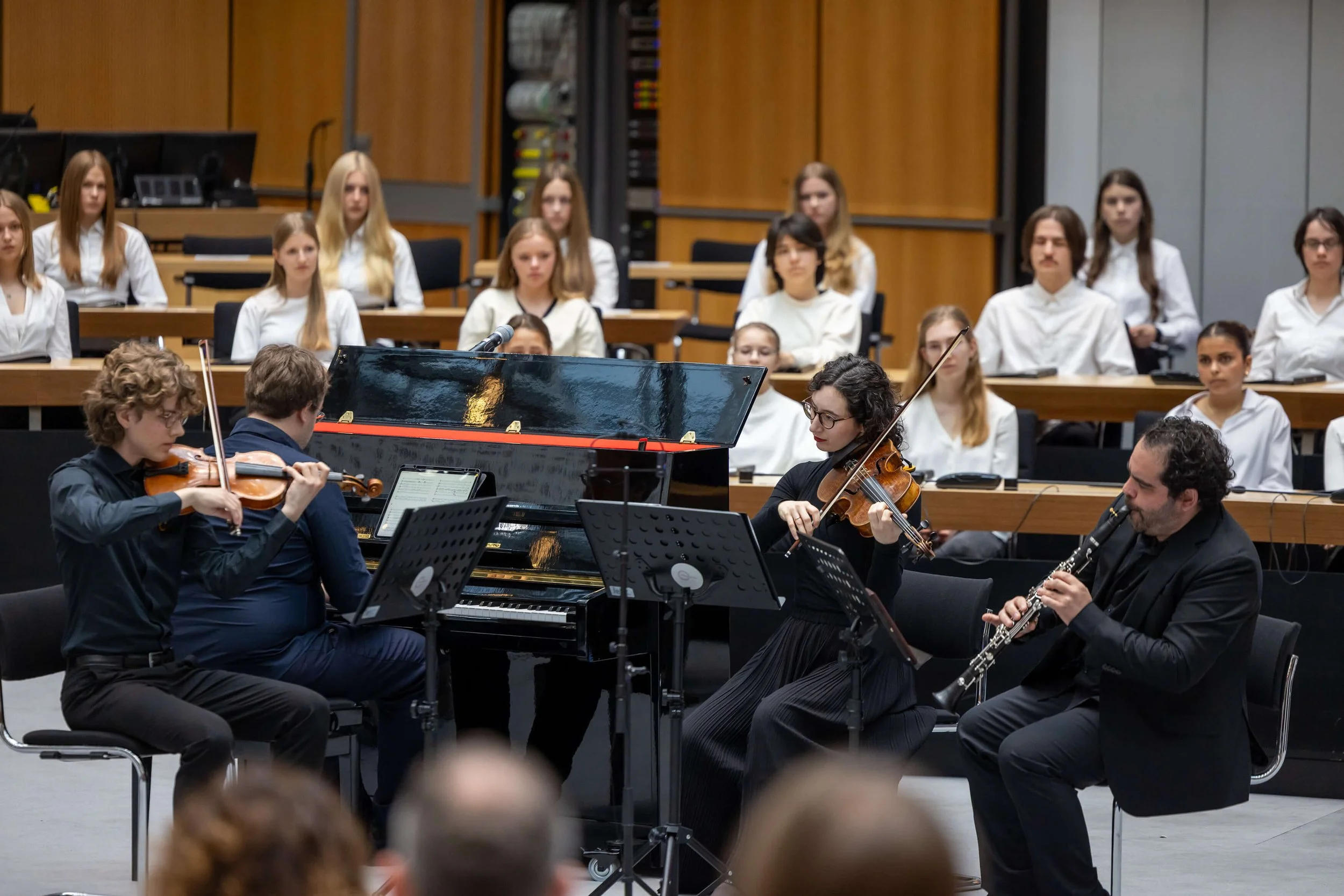
Today, Lebensmelodien brings this musical heritage to concert halls, schools and public spaces, as well as to synagogues, churches and mosques. The project has been presented throughout Germany and internationally, bringing together audiences of different generations, cultures and religious backgrounds.
Through its concerts, research and educational work, Lebensmelodien honors the people who created and preserved this music. Since 2022, the Education program has also enabled young people to engage with the melodies, biographies and historical documents through workshops, research and performance.
Lebensmelodien does more than preserve music. It brings names, stories and individual voices back into public memory, ensuring that they continue to be heard and carried forward by future generations.



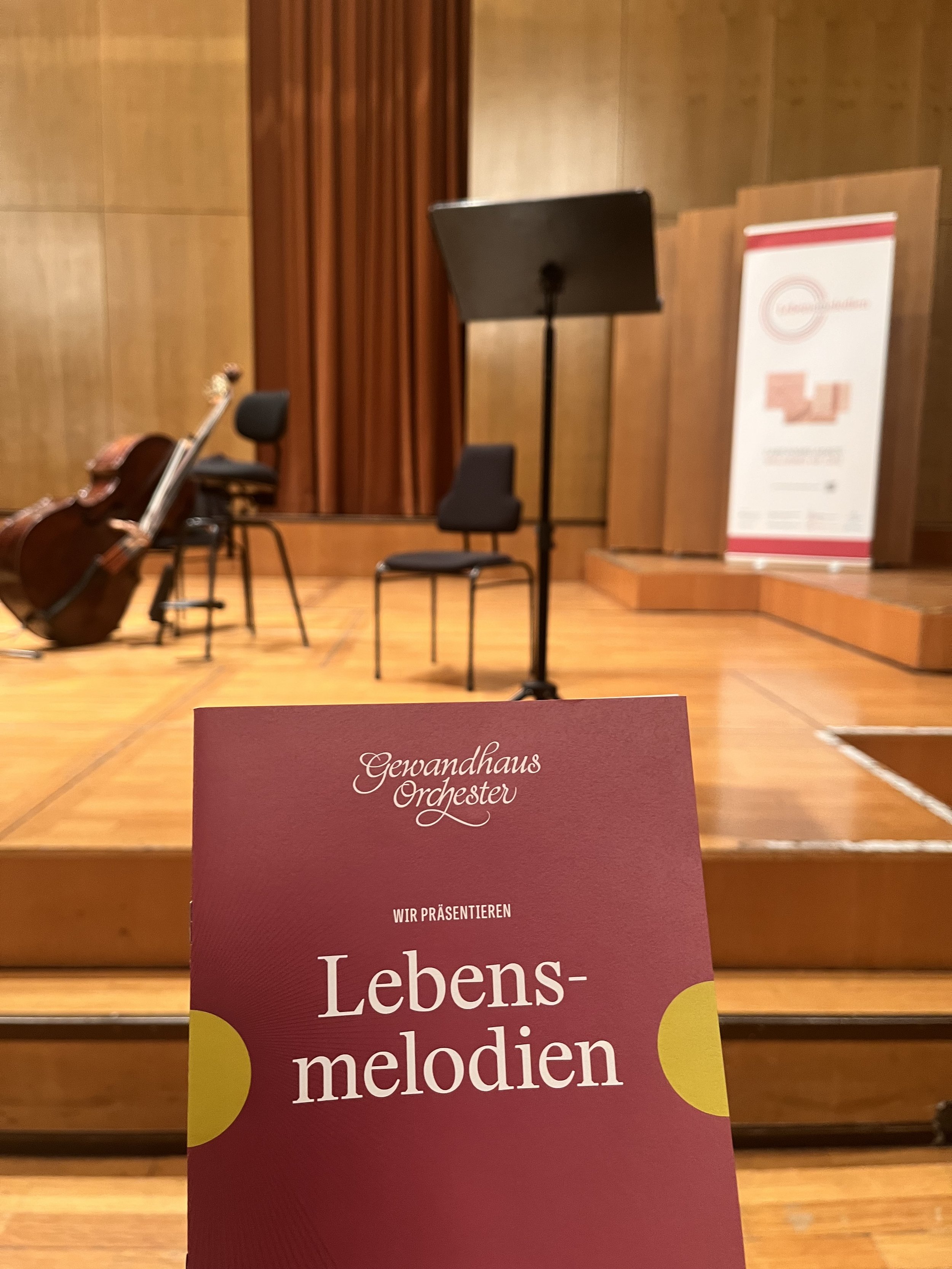
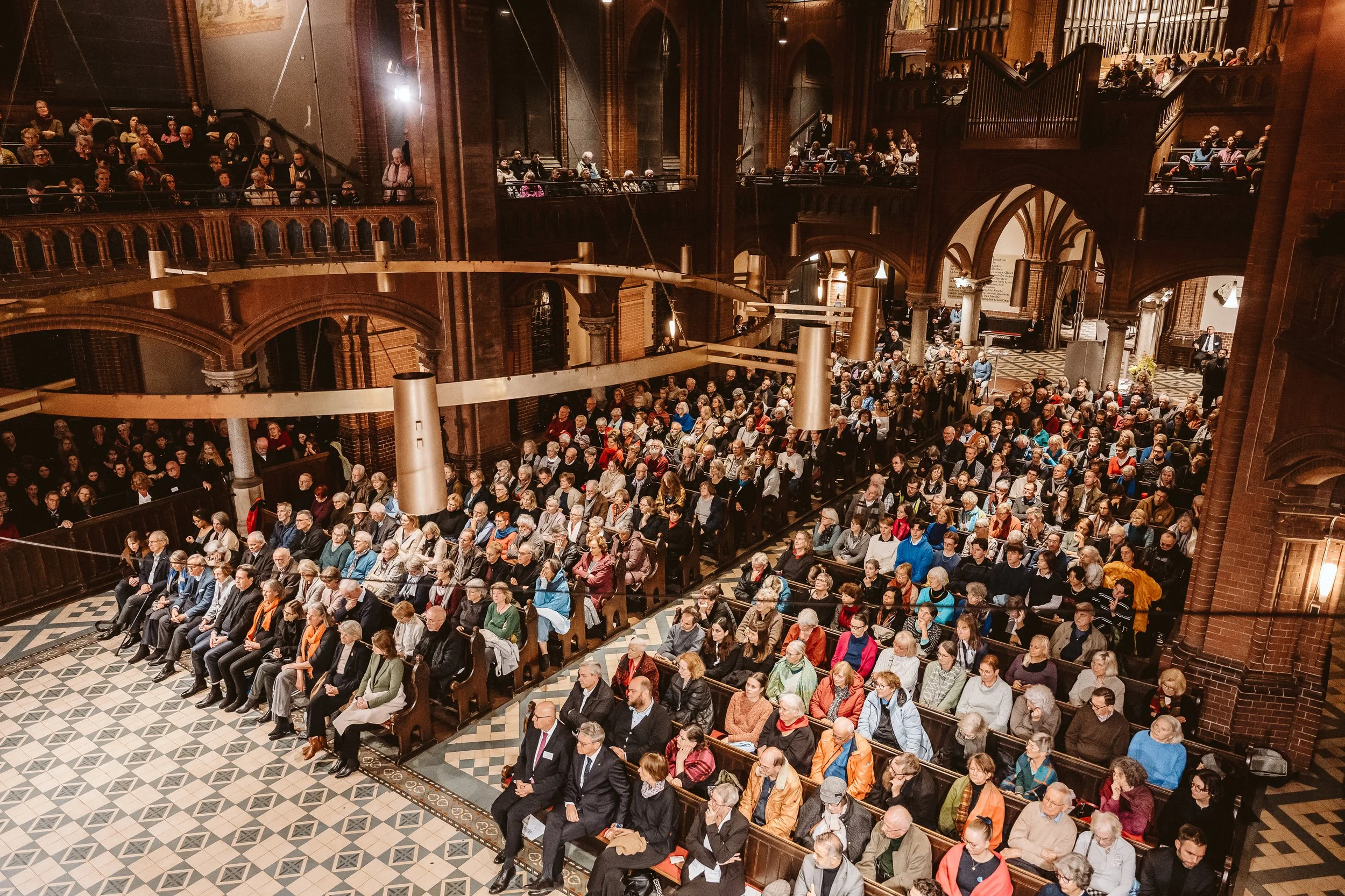
Lebensmelodien Education
Memory is passed on.
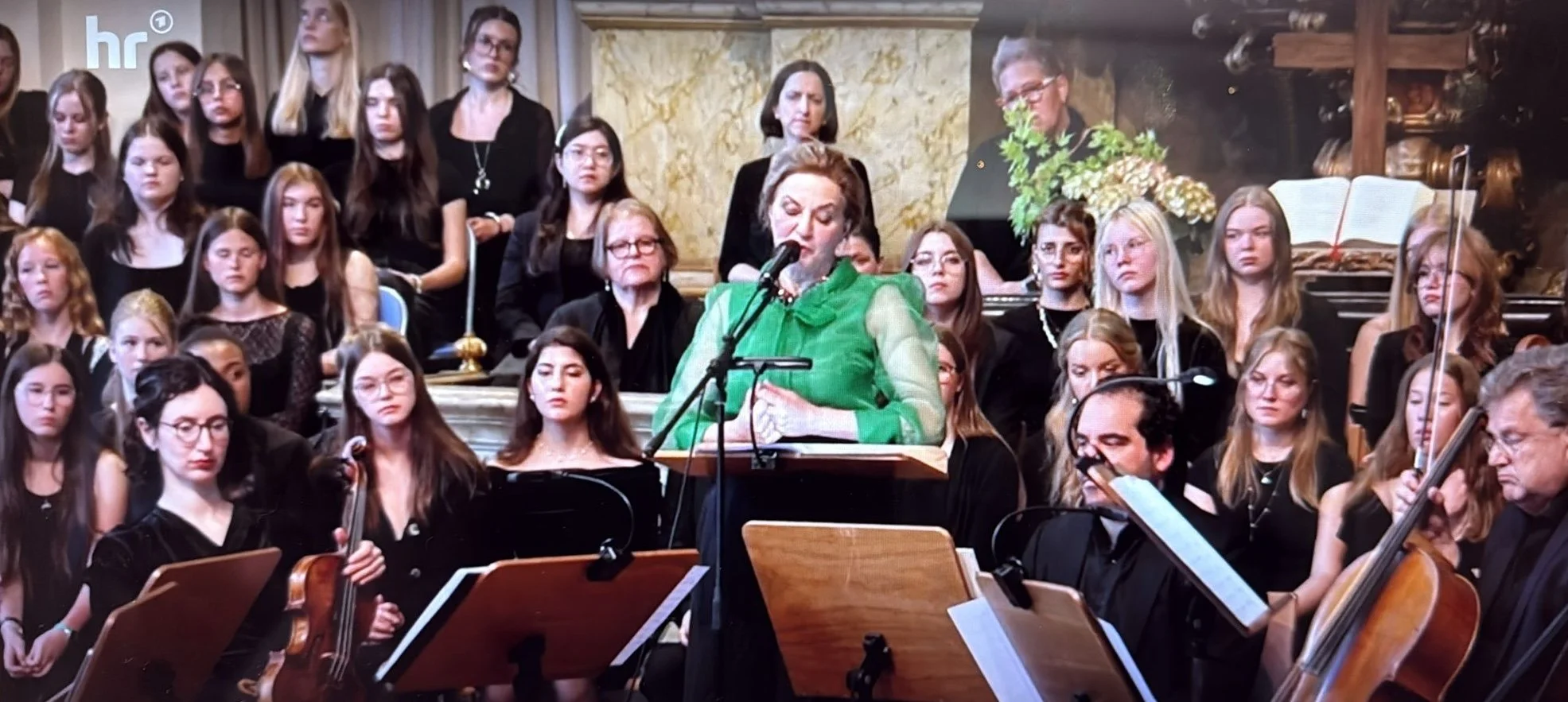
Since 2022, Lebensmelodien has brought its musical work of remembrance into schools.
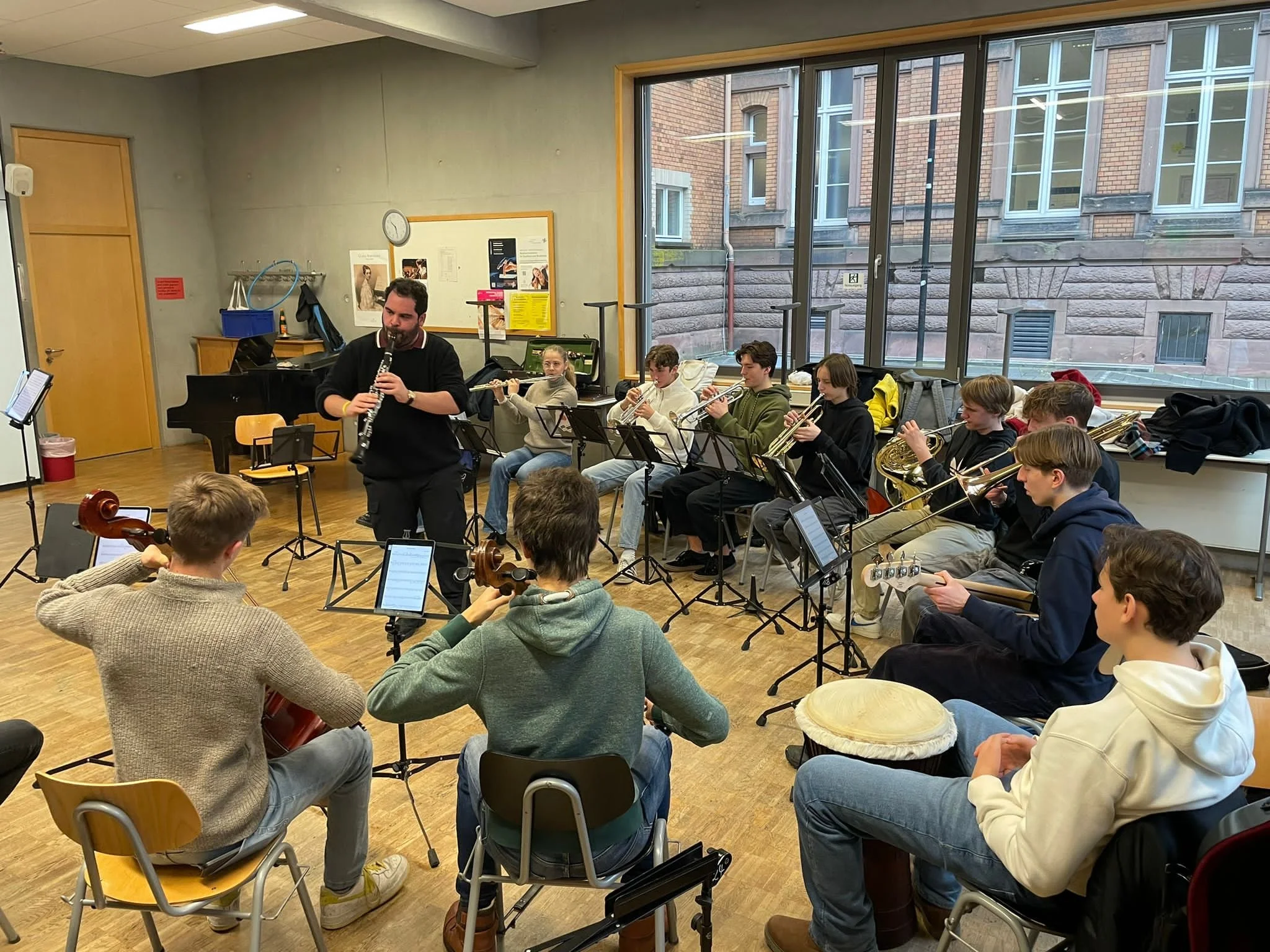
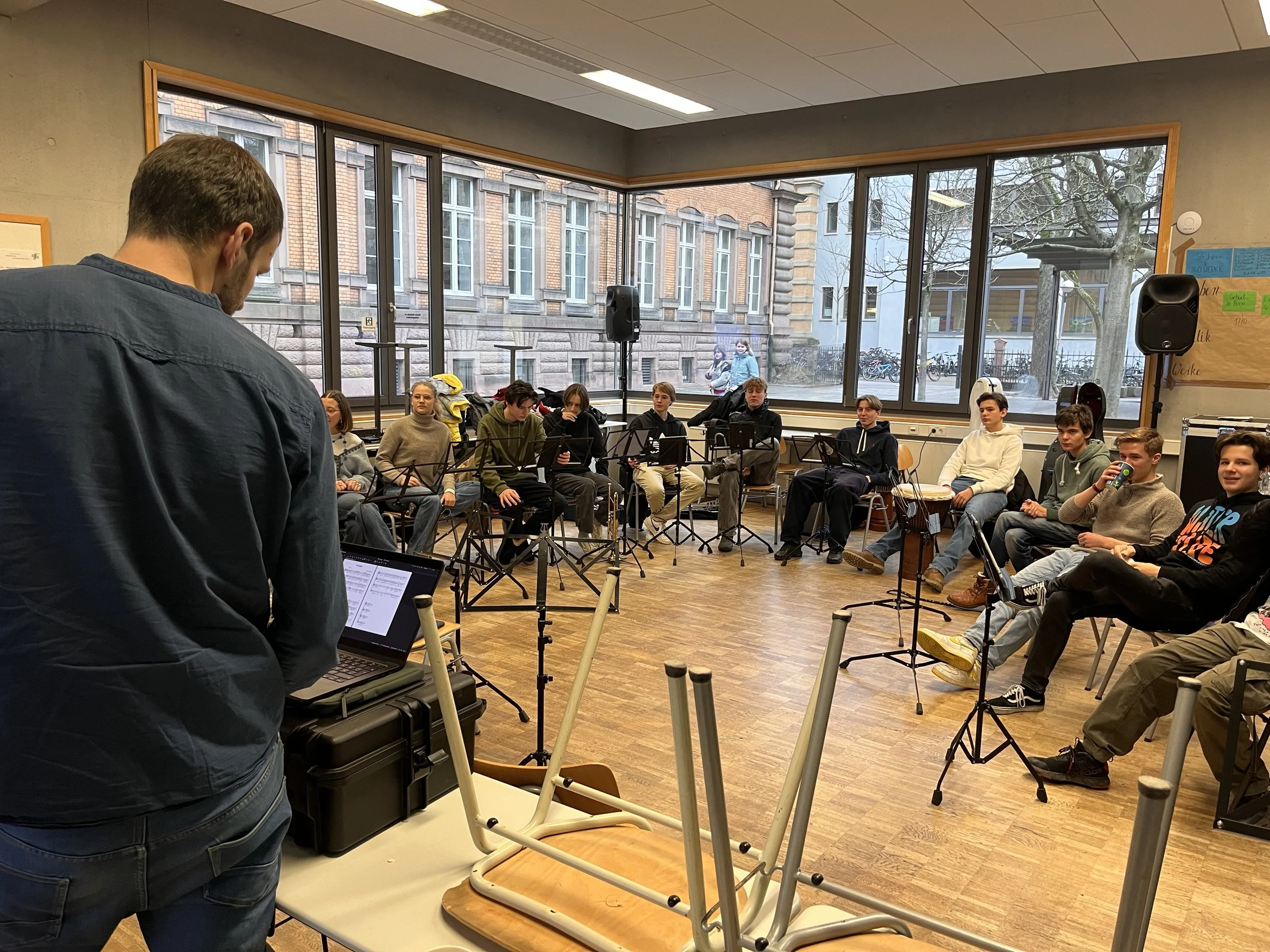
In workshops, students explore historical biographies, melodies, and personal testimonies. They research, discuss, perform and develop their own ways of remembering.
Each Education program is developed in close cooperation with the participating school. The format is adapted to the student’s age, experience and artistic background.
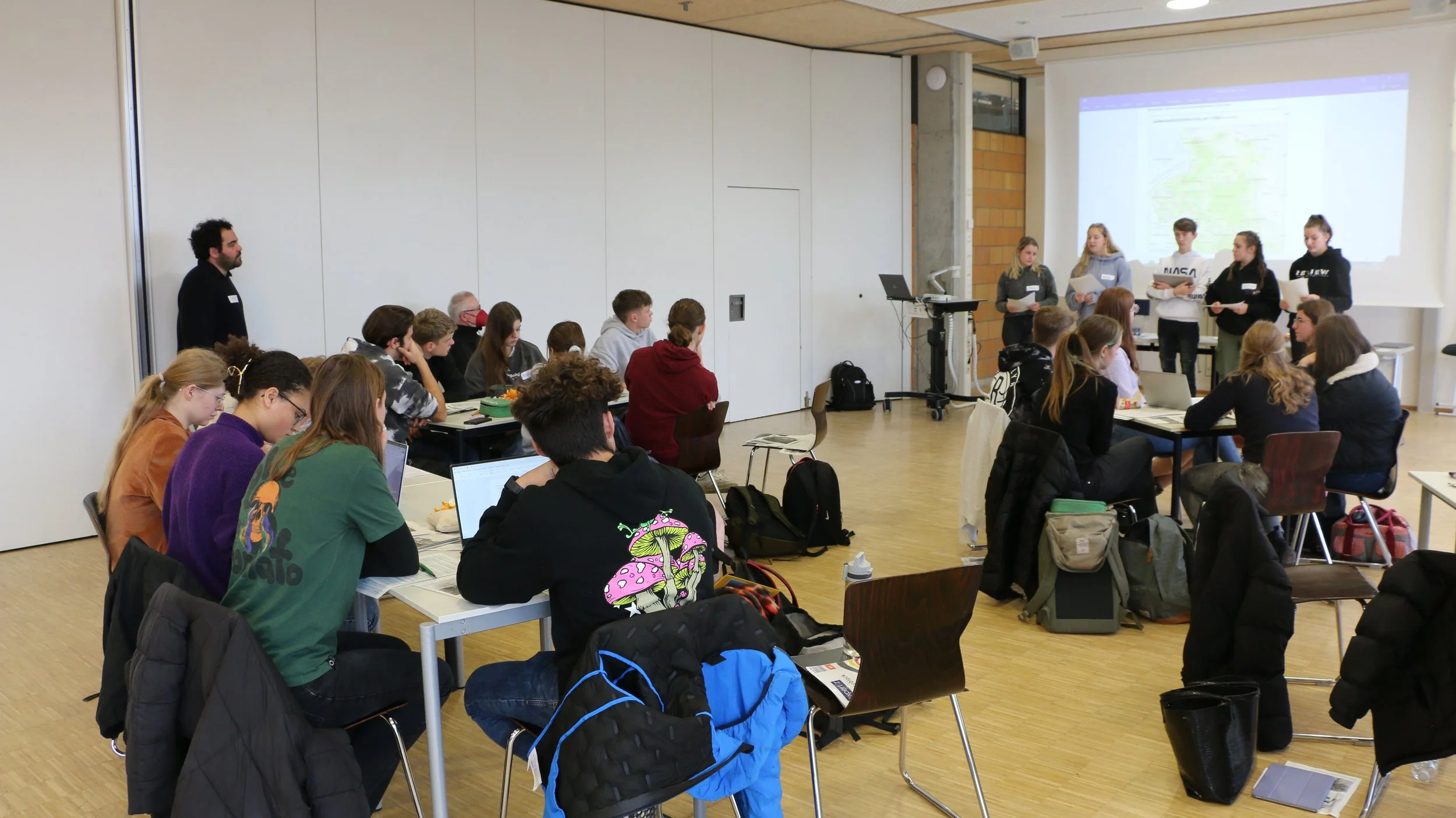
How the Education
Program Works
-
Preparation
The program begins with an introduction to Lebensmelodien and the historical context of the selected works. Students encounter the people behind the melodies through biographies, photographs, letters and other historical documents.
-
Research
Working individually or in groups, the students explore the lives of the composers and the Jewish communities connected to the music. They examine historical sources and consider how persecution affected individual lives, families and artistic expression.
-
Music
The students listen to, study, arrange, and rehearse the selected melodies. They discover how music can preserve personal memories and communicate experiences that historical facts alone cannot fully express.
-
Workshops
Professional musicians, actors and educators from Lebensmelodien work directly with the students. Together, they discuss the biographies, develop musical interpretations and explore personal forms of remembrance.
-
Performance
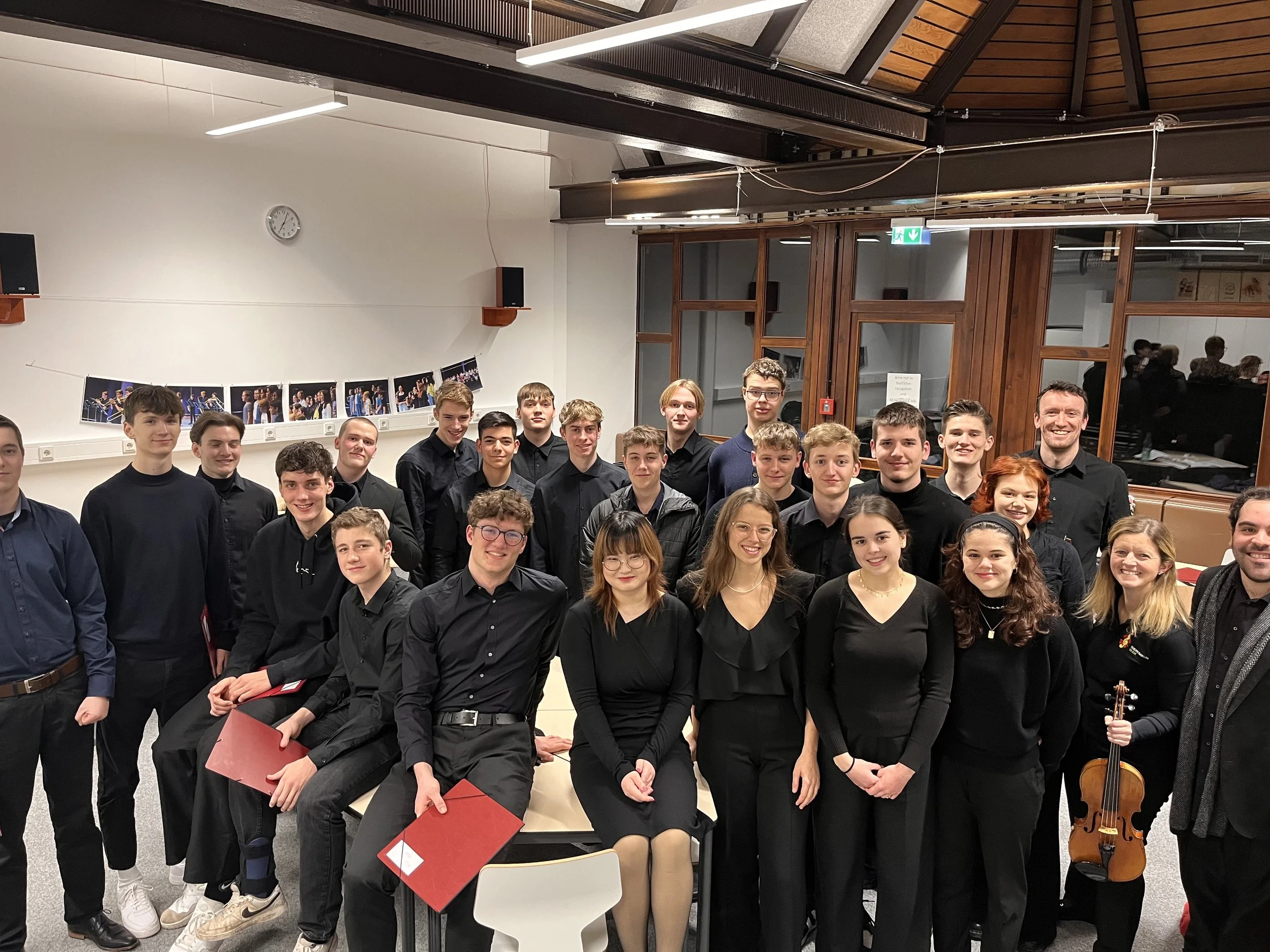
The program concludes with a public presentation or concert. The students perform alongside artists from the Lebensmelodien Ensemble and share the stories behind the music with an audience.
Through this process, young people become active participants in remembrance. They do not simply learn about history. They take responsibility for carrying individual voices and stories into the future.
Voices from Our Education Programs
“After our first meeting, I was deeply impressed and moved by the stories Nur shared with us. It made me realise once again how much suffering people endured and how meaningful this project is. I was grateful for the opportunity to perform this music.”
“Over the past weeks, our collaboration with Lebensmelodien has given us many meaningful and unforgettable experiences. The music brought us closer to the suffering endured by millions of people. Music can express so much more than words, and this experience has shaped us as human beings. Our journey with Lebensmelodien is not over.”
“When hundreds of students listen attentively to Jewish melodies and life stories from the Holocaust for more than two hours, it becomes clear how powerful this project is. At a time when Jewish people are once again experiencing antisemitic attacks, Lebensmelodien is especially important.”
“The workshop was a great inspiration to me. I have the deepest respect for this wonderful and important project.”